
Unlocking Glucose Insights: My Two-Week Experiment on Blood Sugar Management and Metabolism Improvement

Understanding how your body responds to the foods you eat can transform your health. Over two weeks, I tracked my blood glucose continuously to learn how different meals and habits affected my levels. This experiment revealed surprising patterns and practical lessons that helped me improve my metabolism and stabilize my blood sugar. Here, I share the key insights, challenges, and strategies that emerged from this personal journey.
Why Knowing Your Glucose Response Matters
Blood glucose is the main energy source for your body, but its levels fluctuate depending on what and when you eat. These fluctuations impact your energy, mood, and long-term health. When glucose spikes too high or dips too low, it can cause fatigue, cravings, irritability, and even increase the risk of diabetes.
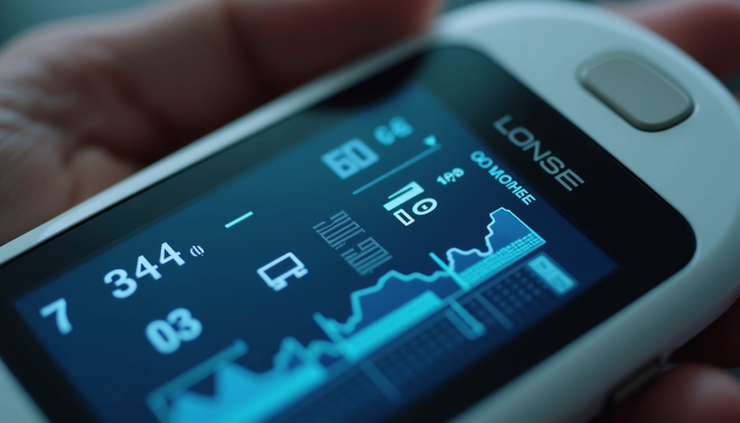
Using a continuous glucose monitor (CGM) gives real-time feedback on how your body reacts to meals, exercise, and fasting. This data helps you:
Identify foods that cause sharp glucose spikes or drops
Understand your body's unique response to carbs, protein, and fats
Adjust meal timing and composition for better blood sugar stability
Support metabolism and reduce the risk of insulin resistance
By tracking my glucose for two weeks, I gained a clear picture of my body's patterns and learned how to make smarter food choices.
Understanding Optimal Glucose Ranges
Most healthy adults have blood glucose levels between 70 and 140 mg/dL throughout the day. Here’s a simple breakdown:
Normal fasting glucose: 70–99 mg/dL
Post-meal peak: Usually below 140 mg/dL within 1–2 hours after eating
Hypoglycemia (low glucose): Below 70 mg/dL, which can cause symptoms like shakiness or dizziness
Keeping glucose within this range helps maintain steady energy and reduces stress on the body. Spikes above 140 mg/dL or dips below 70 mg/dL indicate your body is struggling to balance sugar effectively.
What I Learned From My Glucose Spikes and Dips
During the experiment, I noticed three main patterns that taught me how to better manage my blood sugar.
1. Hypoglycemia from Not Eating Enough Good Carbs
At times, my glucose dipped below 70 mg/dL, especially when I didn’t consume enough quality carbohydrates. This low blood sugar made me feel weak and foggy. I realized that avoiding carbs completely was not the answer.
The fix: I learned to include the right amount of complex carbs like whole grains and vegetables to maintain balance. These carbs provide steady energy without causing sharp spikes.
2. Morning Carb Spikes After Overnight Fasting
One surprising finding was how certain breakfast foods affected me. For example, eating quinoa veggie and egg bites right after fasting caused a rapid glucose spike above 140 mg/dL, followed by a sharp drop. My body seemed to overcorrect the initial surge, leading to a quick decline in blood sugar.
The fix: Starting the day with a balanced meal containing solid protein, healthy fats, and moderate carbs helped prevent these extreme swings. This approach gave me more stable energy throughout the morning.
3. The Importance of Fiber and Meal Order
I experimented with eating fiber-rich vegetables first, followed by protein, and then carbs last. This sequence slowed glucose absorption and reduced spikes. Even when I enjoyed a glass of rosé, I waited until after my meal and took a walk. This helped stabilize my blood sugar and improved digestion.
The fix: Prioritizing fiber and protein before carbs, and adding light activity after meals, supports better glucose control.
Practical Tips for Glucose Stability Based on My Experiment
Here are some actionable strategies I found effective:
Include complex carbs like quinoa, sweet potatoes, and legumes instead of refined sugars
Balance meals with protein, healthy fats, and fiber to slow glucose absorption
Eat fiber-rich veggies first to blunt glucose spikes
Avoid high-carb meals immediately after fasting; add protein and fats first
Incorporate light movement like walking after meals to help regulate blood sugar
Monitor your body’s signals and adjust food choices accordingly
These simple habits can make a big difference in maintaining steady glucose levels and supporting metabolism.
How This Experiment Supports My Clients
I enjoy experimenting with health tools like CGMs and sharing insights with my clients. Wearing a CGM helps people understand their unique glucose responses and take control of their metabolic health. This knowledge is especially valuable for those aiming to prevent diabetes or improve energy and weight management.
By guiding clients through similar experiments, I help them build personalized strategies that fit their lifestyle and goals. Seeing real-time data motivates lasting changes and empowers better food choices.
Final Thoughts on My Two-Week Glucose Experiment
Tracking my blood sugar continuously for two weeks gave me clear, actionable insights into how my body handles food. I discovered the importance of balanced meals, fiber, and timing to avoid glucose spikes and dips. These lessons improved my energy, mood, and metabolism.
If you want to better understand your body and protect your long-term health, consider trying a CGM experiment. It’s a powerful way to learn what works best for you and make informed decisions about your diet.
Taking control of your glucose is not about perfection but about finding balance that supports your well-being every day. Start small, observe your body, and adjust as you go. Your metabolism will thank you.


Comments